Why MBBR Has Become the Preferred Aerobic Treatment Process for Food and Beverage Wastewater
July 7, 2026
Food and beverage manufacturers operate in an environment where production schedules, product mixes and CIP operations result in wastewater characteristics that vary throughout the day. As a result, wastewater treatment systems must be capable of delivering consistent performance despite fluctuations in flow, organic loading and nutrient concentrations, while remaining reliable and economical to operate.
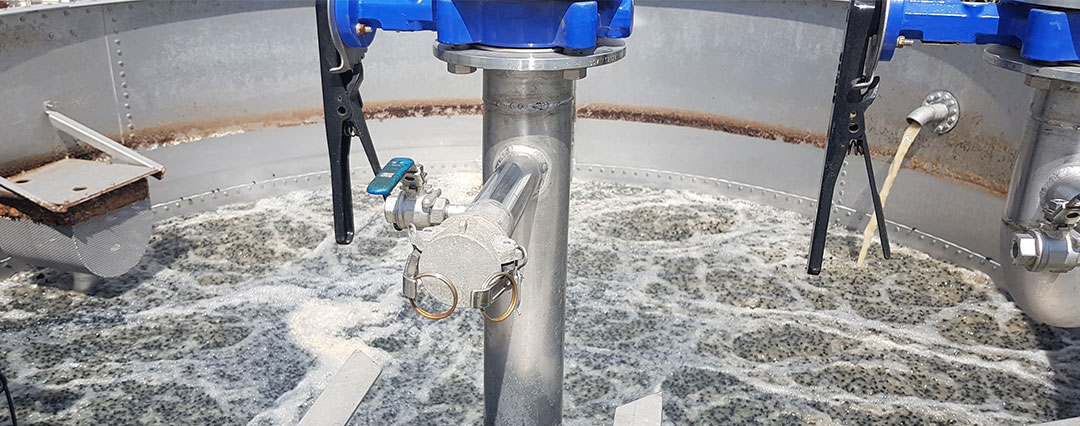
These challenges have contributed to the growing adoption of Moving Bed Biofilm Reactor (MBBR) technology, which has become one of the most widely selected aerobic treatment processes in the food and beverage industry.
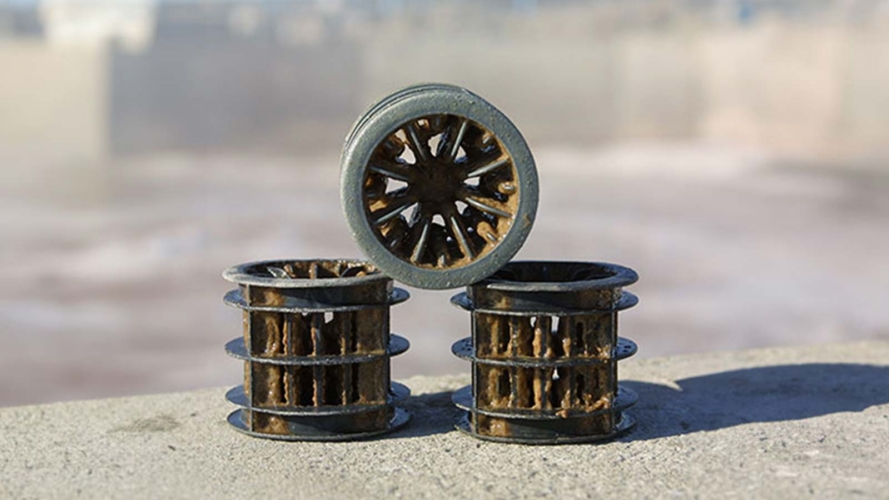
MBBR technology utilises specially designed plastic carrier media suspended within an aerated reactor. The media provides a large, protected surface area for the growth of microorganisms, allowing a substantial population of biomass to be retained within the treatment system. This enables high treatment performance to be achieved within a relatively compact footprint compared to alternative biological treatment technologies.
Space is often a critical consideration, particularly for urban food processors where finding room for expanding wastewater treatment infrastructure often proves difficult. The process can also be incorporated into existing tanks, making it an attractive option for plant expansions and capacity upgrades.
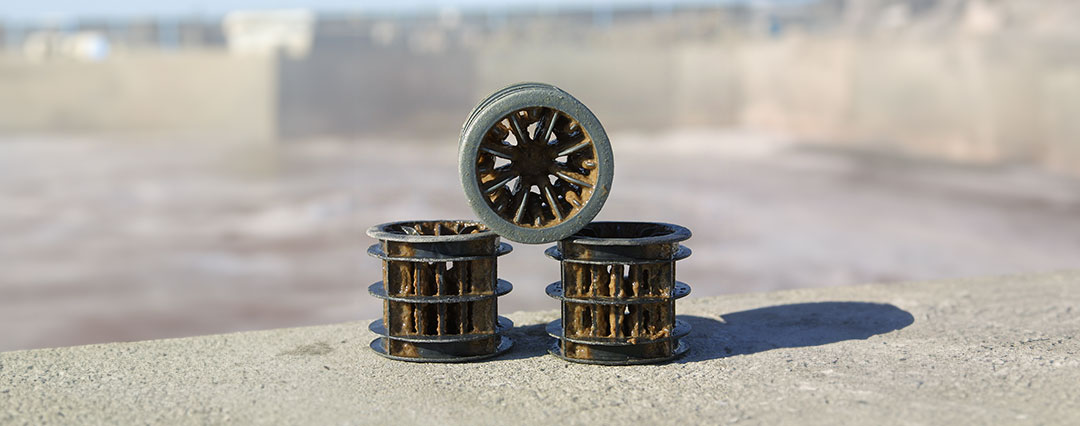
A key advantage of MBBR is the stability provided by the attached biofilm. By retaining biomass on the carrier media, the process is less susceptible to fluctuations that can affect suspended-growth systems. This contributes to reliable treatment performance and reduces the risk of biological process upsets.
Another important advantage is the flexibility of the process. Unlike some biological treatment systems that are designed around complete organic conversion, MBBR can be configured to achieve a specific treatment objective. In many food and beverage applications, the goal may be to reduce organic loading to meet trade waste requirements, provide a stable feed for downstream treatment processes, or achieve a defined level of BOD and COD removal. This allows treatment systems to be tailored to the actual requirements of the facility, often resulting in more efficient and cost-effective solutions.
MBBR systems can readily be configured for biological nutrient removal through the inclusion of dedicated anoxic and aerobic zones together with mixed liquor recirculation. This enables effective nitrogen removal while retaining the benefits associated with attached-growth biological treatment.
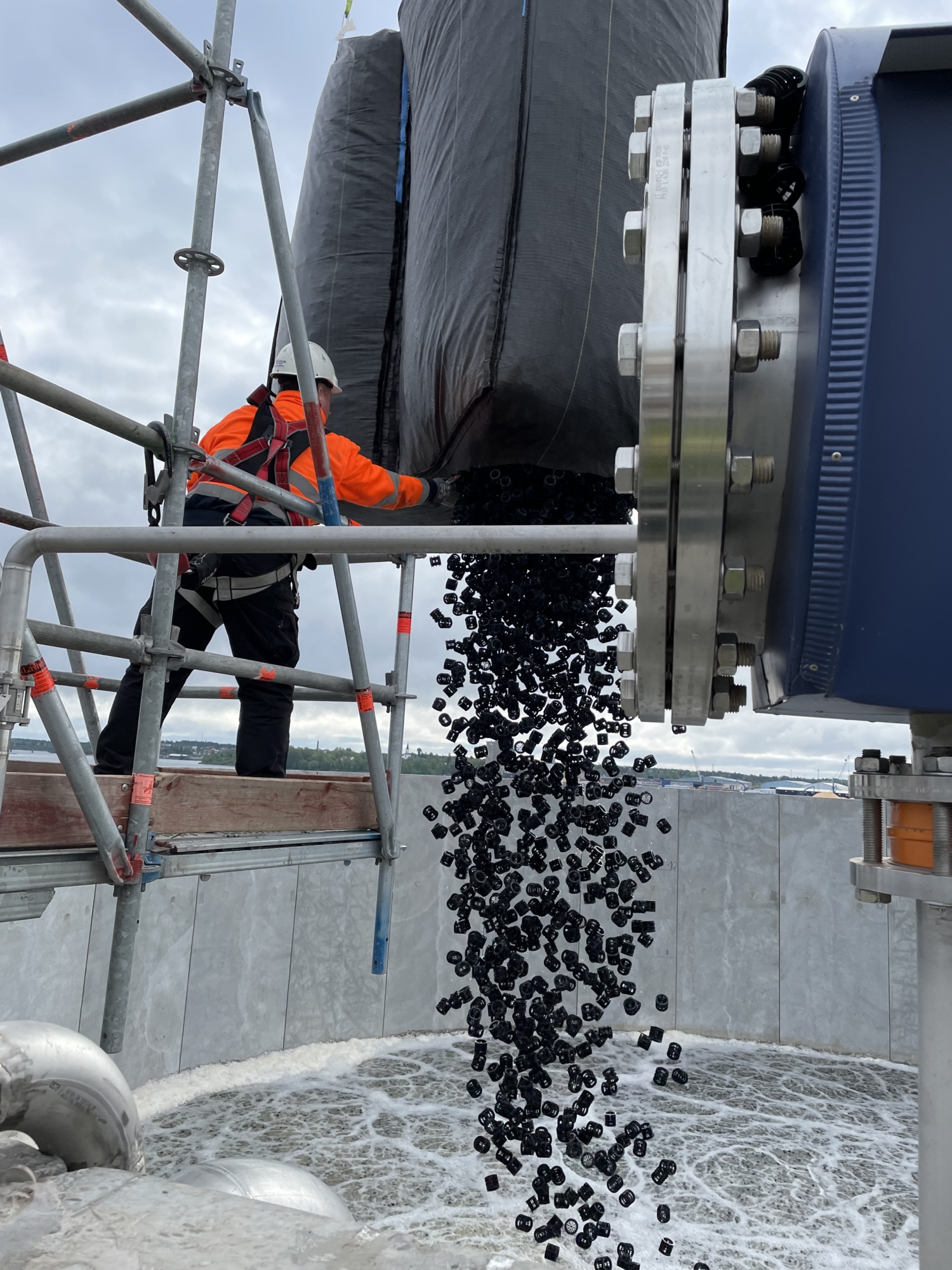
There are numerous aerobic biological treatment processes available for industrial wastewater treatment, including activated sludge, sequencing batch reactors (SBR), membrane bioreactors (MBR), fixed film systems and aerated lagoons. Each technology has advantages and remains appropriate for certain applications. Membrane bioreactors, for example, are often preferred where a very high degree of treatment is required for water recycling or as feed water to reverse osmosis systems.
For many food and beverage applications, however, MBBR provides an attractive balance of treatment performance, footprint, process stability and flexibility. Its ability to reliably handle variable industrial wastewater streams while being configured to meet specific treatment objectives has made it one of the most popular aerobic treatment technologies for modern food and beverage wastewater treatment plants.
Hydroflux has designed and constructed numerous MBBR systems throughout Australia and New Zealand, integrating the technology into complete wastewater treatment solutions tailored to the unique requirements of food and beverage manufacturers.
To learn more on Hydroflux industrials water and wastewater solutions visit www.hydrofluxindustrial.au or call us on 1300 417 697.
About the Hydroflux Group
The Hydroflux Group aims to deliver the highest level of engineering and scientific know-how to the emerging issues of sustainability, climate adaptation and environmental protection with a specific focus on water and wastewater.
As part of its vision and mission, Hydroflux has always taken its climate responsibility seriously. In 2022, Hydroflux became Australia’s first water treatment and technology company to achieve Climate Active carbon neutral certification for its organisation and products. It knows that partnering with customers and clients is the most significant impact it can have in its journey. The Group employs over 100 staff and operates throughout Australia, New Zealand and the Pacific Islands, with office locations in Sydney, Melbourne, Brisbane, Adelaide, Perth, Auckland, and Suva.